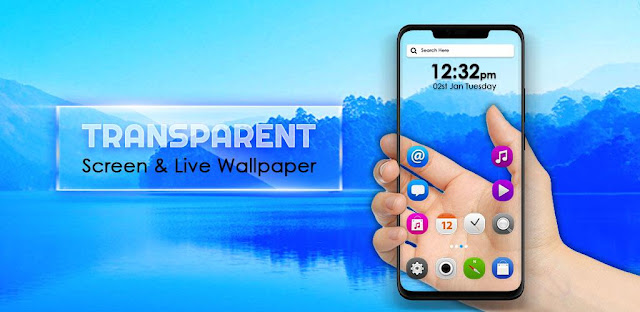
Transparent mobile phones are no longer just a science fiction dream. With advancements in display technology and materials, companies are experimenting with fully or partially transparent smartphones that look futuristic and offer exciting possibilities. This article explores what transparent mobiles are, how they work, and what benefits they bring to users in real life.
What Is a Transparent Mobile?

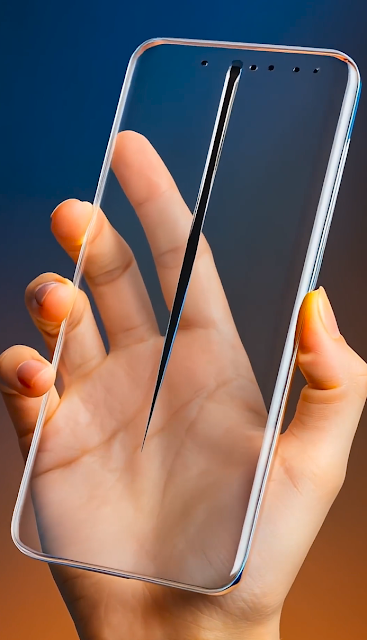
A transparent mobile is a smartphone designed using glass-like materials and see-through OLED or AMOLED display panels. The internal components, such as chips and batteries, are either hidden cleverly or made from semi-transparent materials. The goal is to make the device look like a piece of clear glass that comes alive when powered on.
- Uses transparent OLED or AMOLED displays
- Employs clear circuits and light-based sensors
- Integrates hidden components for a minimal look
- Often lightweight and futuristic in design
How Transparent Phones Work
Transparent phones rely on special materials that conduct electricity while allowing light to pass through. Transparent OLED displays use pixels that emit light individually, meaning each area can be clear or visible as needed. The battery, camera, and processor are placed at the edges or hidden behind partially opaque sections to maintain transparency.
When turned off, the device looks like a sheet of glass. When turned on, only the active parts light up, creating a holographic effect that feels futuristic and elegant.
Top Benefits of Transparent Mobile Phones
1. Futuristic and Stylish Design
Transparent mobiles look sleek, modern, and unlike any smartphone we’ve seen before. The design appeals to users who love innovation and minimalism. The “floating” display gives the illusion of depth and makes it stand out as a premium device.
2. Enhanced Augmented Reality Experience
Because transparent phones allow users to see through the screen, they open up new possibilities for augmented reality (AR). Imagine viewing a map while seeing the street behind the screen or scanning real-world objects with on-screen overlays. It blends digital content with the real world seamlessly.
3. Smarter Camera Integration
In a transparent phone, cameras can be hidden behind clear glass panels, creating a clean, uninterrupted surface. With advanced sensors, the phone can take photos without visible lenses, leading to a more aesthetic and durable design.
4. Energy Efficiency
Transparent displays can be more power-efficient because of pixel-level control and selective lighting. This means less energy consumption when only parts of the screen are active — for example, during always-on displays or notifications.
5. Lightweight Construction
The materials used to make transparent phones are often lighter than metal or ceramic. This results in a thinner and easier-to-carry device without sacrificing strength or display quality.
6. New Ways to Interact
A transparent display can be interactive on both sides. Users may soon swipe, tap, or draw on the back of the phone to control apps, change volume, or take pictures — all without touching the front screen. This dual-interaction feature could redefine usability.
Challenges of Transparent Phones
While transparent mobiles are exciting, they face several technical challenges:
- Battery Design: Batteries are not transparent, so hiding them elegantly is a challenge.
- Camera Quality: Fully transparent lenses can reduce light intake, affecting picture quality.
- Durability: Transparent glass designs may be fragile compared to metal frames.
- Privacy Issues: A see-through phone could expose sensitive screen content to others nearby.
- Cost: Transparent display manufacturing remains expensive due to advanced materials.
How Transparent Phones Could Change Future Technology
The arrival of transparent devices could influence not only smartphones but also smart glasses, vehicles, and home technology. Imagine car windshields that act as clear displays or smart windows that show information. Transparent display technology is expected to blend digital data with real-life visuals, creating a mixed-reality experience in everyday life.
In mobile phones, this could lead to:
- 3D projection features using transparent layers
- Improved AR navigation and scanning
- Interactive holographic video calls
- Eco-friendly designs with recyclable materials
Frequently Asked Questions (FAQ)
Are transparent phones real or just concept designs?
Some companies have showcased transparent phone prototypes. However, most are still in early stages of development and not yet available for mass production.
Will transparent mobiles be more expensive?
Yes, initially. The technology and materials used are costly, but prices will decrease as production methods improve.
Are transparent screens durable?
Manufacturers are working on strong glass composites to make them as durable as current smartphones. However, early models may be more fragile.
Can transparent phones support normal apps and features?
Yes. They will run standard mobile operating systems, support cameras, gaming, and other apps — just through transparent hardware.
TRNSPARENT
Conclusion
Transparent mobile phones represent a major leap toward futuristic technology. They combine beauty, creativity, and functionality in a single device. With benefits like enhanced AR experiences, elegant design, and energy efficiency, they could redefine how we see and use our phones. As research continues, the day may not be far when transparent smartphones become a common part of our digital lives — merging technology and imagination into one.